

Author: New Fire Technology
Over the past week, the crypto market has presented a rare contradiction: funds are flowing in on a large scale, but sentiment is lingering in panic.
U.S. spot Bitcoin ETFs recorded net inflows of $853 million last week, the largest single-week increase since mid-April, with BlackRock's IBIT alone contributing over 80%. Ethereum spot ETFs also saw inflows of $245 million during the same period, with total weekly inflows into crypto ETFs exceeding $1.1 billion.
However, the market shows no signs of celebration. The Fear and Greed Index continues to hover in the panic zone between 31 and 32; Coinbase's Bitcoin negative premium has persisted for 82 days, setting a record for the longest streak in the indicator's history, which is typically seen as a signal that institutional demand is insufficient to absorb retail selling pressure. This divergence between fund inflows and market sentiment is precisely the most noteworthy phenomenon in the current market.
On the macro front, last Friday's U.S. July non-farm payroll data unexpectedly showed a negative growth of 23,000, far below the market expectation of an increase of 80,000. The unemployment rate edged down to 4.2%, but mainly due to labor force withdrawal. This set of data significantly reduced the probability of a September rate hike, with Polymarket currently predicting only a 36% probability of a 25 basis point rate hike in September. The next key macro event is the July CPI data to be released on Wednesday, August 12, which will be the last core macro indicator before the FOMC meeting on September 16. If inflation continues to decline, it will strengthen expectations of monetary easing, benefiting risk assets; if inflation rebounds, it may push up U.S. Treasury yields and the dollar index, suppressing market liquidity.
On the policy front, the CLARITY Act failed to be voted on before the Senate's August recess. Senator John Thune has filed a motion to invoke cloture, with a procedural vote expected to begin around September 15. The fate of this bill will determine the progress of the U.S. digital asset compliance framework. If passed, it will significantly improve regulatory expectations and accelerate institutional capital entry; if it remains deadlocked, policy uncertainty will continue to suppress risk asset valuations.
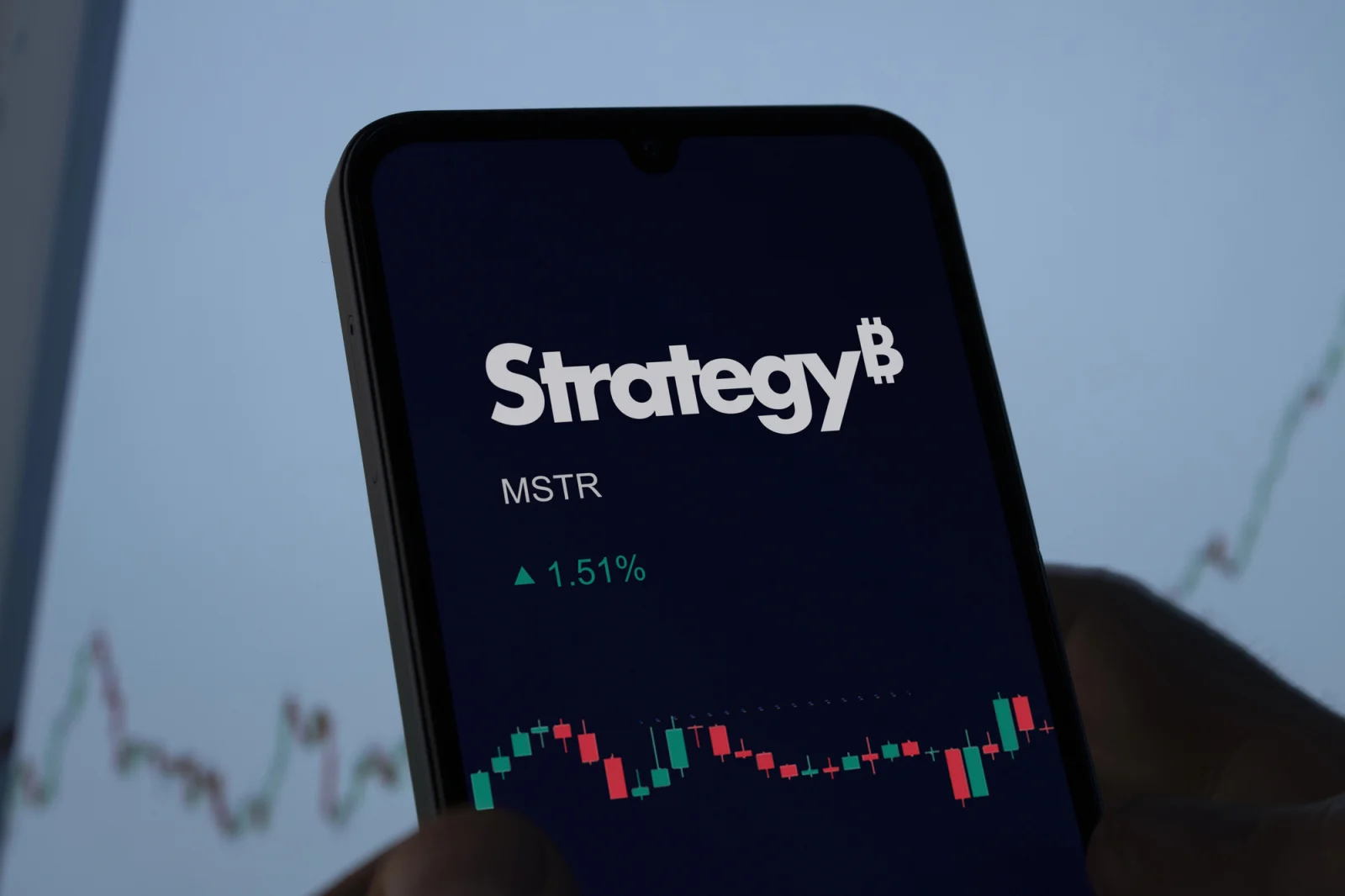
In terms of industry developments, last week a firmware vulnerability in Coldcard hardware wallets led to the theft of 1,500 to 2,000 bitcoins, worth approximately $100 million to $130 million, highlighting self-custody risks and potentially driving funds toward compliant custody and ETF channels in the short term. Meanwhile, Strategy sold 1,638 bitcoins last week, and founder Michael Saylor clarified that his "never sell" commitment applies only to his personal holdings, sparking market discussion.
On the technical front, Bitcoin is currently trading in the range of $64,800 to $65,200, with both volume and volatility at low levels. The weekly EMA 240 at $63,500 provides clear support; it was briefly broken last week but recovered the next day. However, the daily EMA 60 at $65,100 continues to suppress prices, a suppression that has been in place since May. Key resistance above is at $68,300 and $72,700, while support below is at $63,500 and $62,500.
New Fire Research believes that the current market is still in the stage of confidence repair and bottoming-out consolidation at the bear market bottom, with the sustainability of ETF inflows being the core short-term driver.